Net Billing in Cyprus: what it means for your electricity bill
Under Net Billing, exported solar energy is credited at a much lower rate than imported electricity costs. Here is why self-consumption now defines whether solar pays off.
By Charis Kasiouli, Mechanical Engineer · Published 2026-01-15 · Updated 2026-06-01
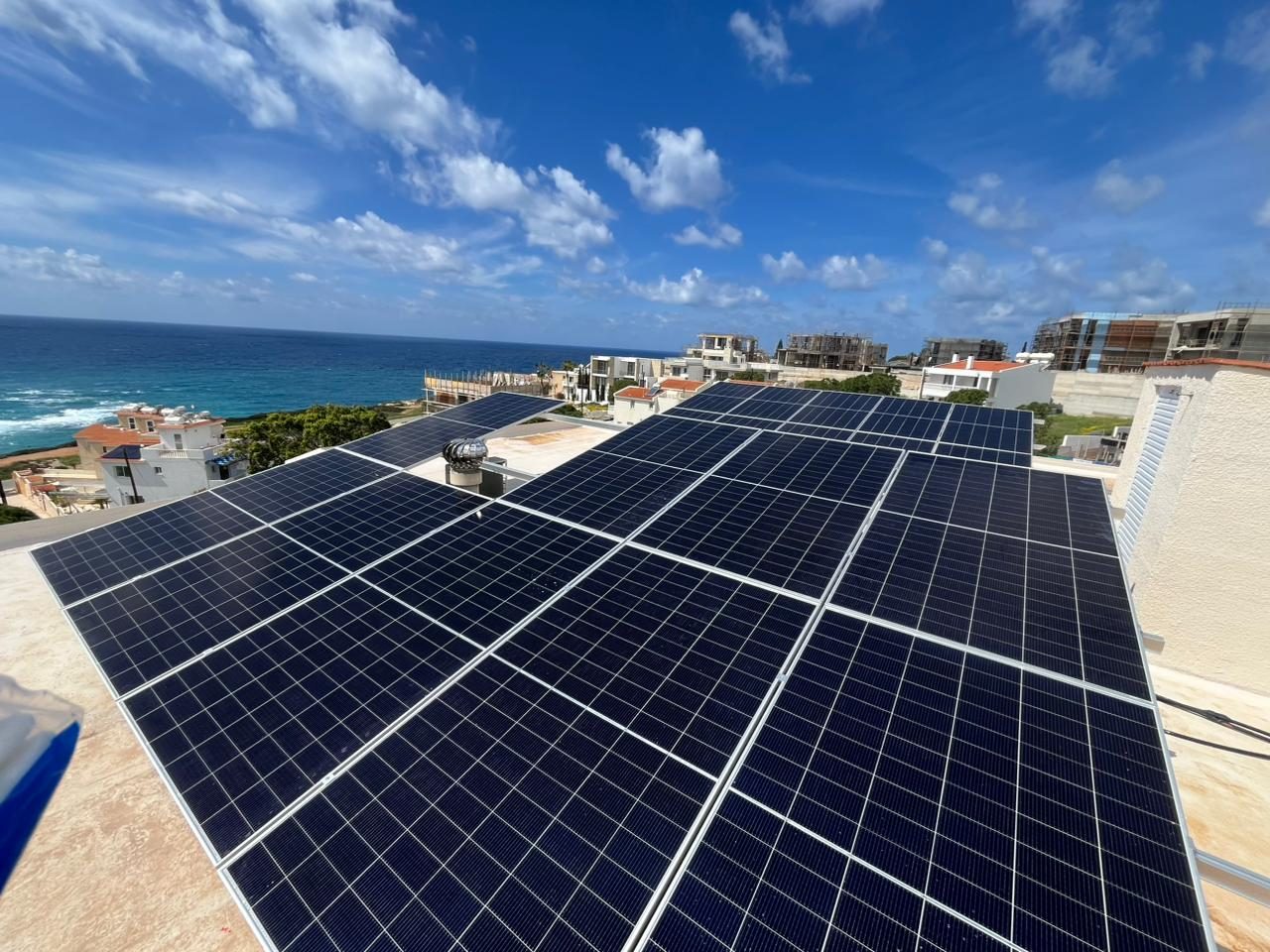
New solar installations in Cyprus operate under the Net Billing scheme. The principle is simple: electricity you export to the grid is credited at a rate substantially lower than the rate you pay for the electricity you import. The exact tariffs are set by the regulator and can change, so we always review the current terms with you before designing a system.
Why this changes system design
Under the older net metering logic, oversizing a system carried little penalty. Under Net Billing, every kilowatt-hour you export instead of consuming yourself loses most of its value. The economics now reward systems sized to your real consumption profile rather than to the maximum your roof can hold.
What this means in practice
- System sizing should start from your actual EAC bills, not from roof area.
- Shifting consumption into daylight hours, such as running appliances or pool pumps at midday, increases the value of your production.
- Battery storage lets you use your own solar energy in the evening, which is where much of the benefit now sits for typical households.
How we approach it
We analyse your consumption history, model your self-consumption with and without storage, and present both options with transparent assumptions. If a smaller system or a battery-free design serves you better, that is what we will recommend.
Common mistakes we see under Net Billing
The first mistake is buying by price per kilowatt installed. A cheap oversized system exports most of its production at the low credit rate, while a correctly sized system with storage keeps the value at home. The second mistake is ignoring the consumption pattern: two households with identical annual consumption can have completely different optimal systems if one is home at midday and the other consumes mostly after sunset.
A third, quieter mistake is signing before understanding what happens at the end of each billing period. Credits, rollover rules and tariff categories all affect the result, and they are set by the regulator, not by any installer. We walk through the current rules with you using your own bill, so the numbers refer to your house and not to a brochure example.
Questions to ask any installer
- What self-consumption share did you assume, and how did you calculate it from my bills?
- How does the proposal change if I add a battery later instead of now?
- What happens to my excess production in the months I am away?
If an offer cannot answer these clearly, the savings figure on its front page means very little.