How big should your solar system be?
Bigger is not better under Net Billing. How we calculate the right size from your actual bills, and why oversizing wastes money.
By Charis Kasiouli, Mechanical Engineer · Published 2026-02-03 · Updated 2026-05-10
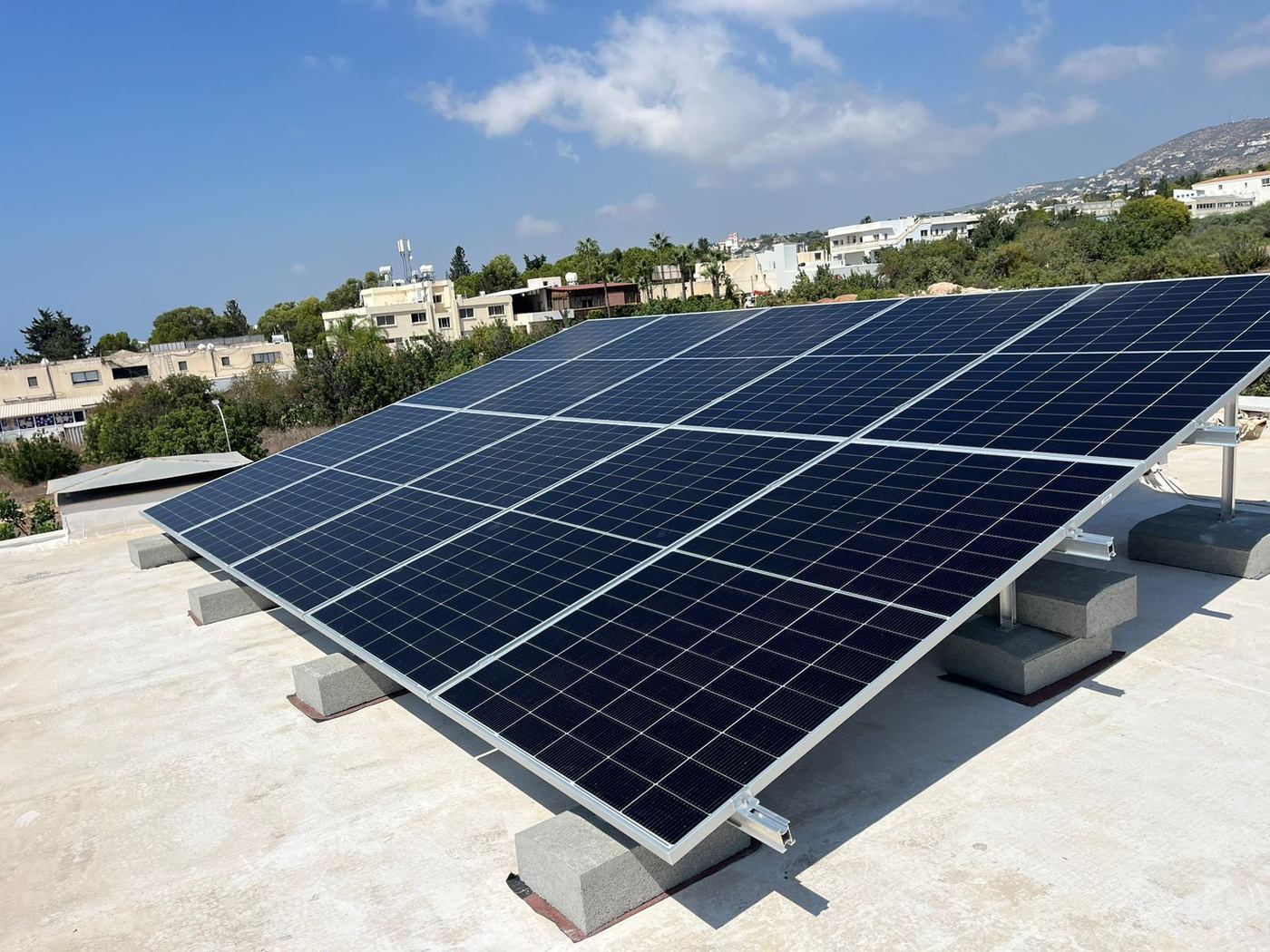
The most common mistake in the Cypriot market is oversizing. Under Net Billing, energy you export earns far less than energy you consume directly, so panels beyond your real needs deliver poor returns on the extra investment.
The right starting point
Sizing starts from your consumption: ideally twelve months of EAC bills, which capture both summer air-conditioning and winter heating patterns. From this we estimate your daytime consumption share and your evening base load.
Key questions that change the answer
- Are you home during the day, or does most consumption happen in the evening?
- Is a battery part of the plan now or later? A battery changes the optimal panel count.
- Are loads coming that do not exist yet: an EV, a pool, a heat pump? We size for your realistic future, not just today.
Our commitment
We will never quote you a bigger system than your profile justifies. If anything, a correctly sized system with quality components outperforms an oversized one built to a price.
A worked example of the logic
Imagine two neighbours, each consuming the same total energy per year. The first works from home, runs the washing machine and pool pump at midday, and cooks early. The second leaves at seven in the morning and returns after sunset. The first neighbour self-consumes a large share of solar production directly and may not need storage at all. The second exports most of a same-sized system at the low credit rate, and either needs a smaller array, a battery, or both. Same bills, opposite designs.
Roof limits and phase limits
Two practical constraints sometimes override the ideal: the usable roof area after shading and access margins, and the capacity limits tied to your connection. We check both during the survey, and we tell you plainly when the ideal system does not fit so you can decide with real options on the table.
When future loads justify sizing up
An EV or a heat pump changes consumption significantly. If such a load is genuinely planned, designing for it now is cheaper than redoing mounting and cabling in two years. If it is only a maybe, we design for today and keep the expansion path open. That judgement, made honestly, is most of what good sizing is.